
How Much Does Translation Cost ?
A Complete Guide for Businesses and Individuals
Introduction: The Question Everyone Asks, But Few Understand Fully
You’ve just landed a promising deal with a client in Germany. Or maybe your startup is expanding into Southeast Asia. Perhaps you’re a hospital administrator trying to make patient intake forms accessible to a Tamil-speaking community. In every one of these situations, you need translation — and almost immediately, the next question surfaces:
How much is this translation going to cost me?
It sounds like a simple question. It isn’t.
Translation pricing is one of the most misunderstood aspects of global business. People expect a flat rate. What they find instead is a landscape shaped by language pairs, subject matter, turnaround time, human expertise, technological tools, regional market standards, and the often-invisible complexity of the content itself.
This guide exists to change that. Whether you’re a first-time buyer, a procurement manager at a multinational firm, or an individual navigating a legal process in a foreign country, this article will give you a clear, honest, and deeply practical understanding of how translation is priced — and more importantly, how to make decisions that serve you well in the long run.

Quick Answer: What Determines Translation Cost?
If you’re looking for a fast summary before diving deeper — here it is.
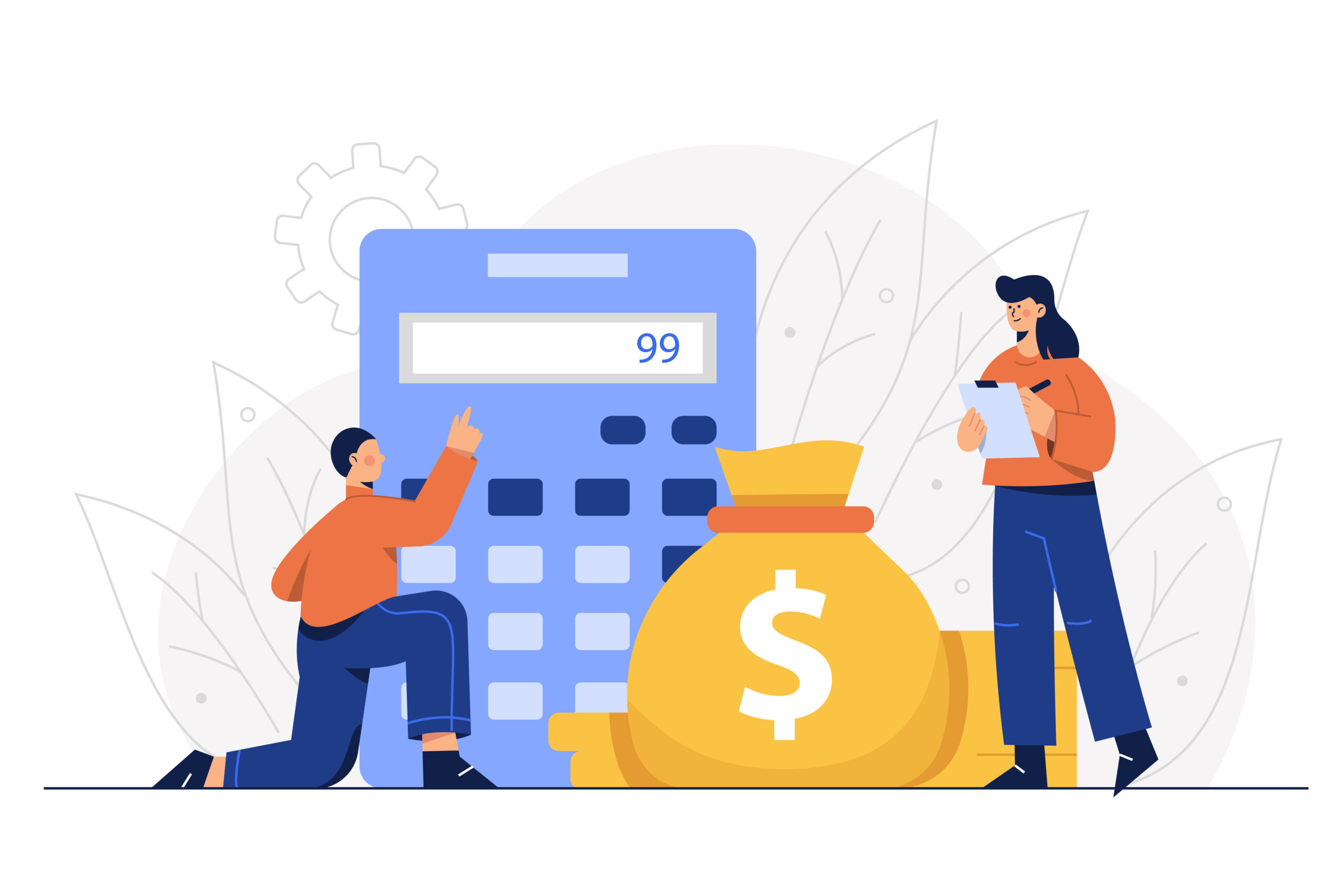
Translation cost is determined by a combination of factors: the language pair involved, the volume of content, the complexity of the subject matter, the format of the source material, the required turnaround time, and whether the work involves a human expert, a machine, or a combination of both.
There is no universal flat rate because no two translation projects are the same. A legal contract translated from English to Arabic involves entirely different expertise — and therefore different pricing — than translating a children’s e-book from French to Spanish.
What you pay for, ultimately, is accuracy, context, and consequence. Low-quality translation can cost far more in the long run than the money you saved upfront.
Why Translation Pricing Is More Complex Than You Think ?
Most people assume translation is a mechanical exercise — words go in, words come out. The reality is that professional translation is an act of cultural and intellectual reconstruction. Consider this: the word “empowerment” in English doesn’t have a direct single-word equivalent in many languages. A translator working on a women’s health NGO report into Hindi or Swahili must find language that carries the same weight, nuance, and intent — without losing the reader. That judgment, that instinct, that cultural intelligence — it has a price. Here are the layers that shape what translation actually costs.
- Language Pair Complexity
Some language combinations are far more technically demanding than others. Translating between two European languages that share Latin roots — say, Italian to Spanish — is generally more straightforward than translating from English to Japanese, where sentence structure, script, and cultural context differ dramatically.
Languages with limited pools of qualified translators also command higher fees. Translating into or from Swahili, Mongolian, or Pashto requires specialists who are genuinely rare.
- Subject Matter and Domain
General content — travel blogs, personal letters, casual marketing material — can often be handled by a capable bilingual professional. But specialized content is a different matter entirely.
Medical translation requires someone who understands pharmacological terminology. Legal translation demands knowledge of jurisdiction-specific legal systems. Technical translation — think engineering manuals or software documentation — requires a translator who can distinguish between types of calibration processes without looking them up.
When you’re hiring for specialized knowledge layered on top of linguistic fluency, you are paying for two careers’ worth of expertise, not one.
- Volume and Word Count
Most professional translation is priced by word — either source word count or target word count, depending on the agency. Projects with higher word counts often come with volume discounts, but this varies widely by provider and language pair.
It’s worth noting that translation into some languages produces significantly more words than the source. German text, for instance, tends to expand when translated from English.
- Turnaround Time
Rush jobs cost more. That’s universal. A 5,000-word document needed in 24 hours requires a translator to prioritize your project above others — sometimes working through the night, sometimes bringing in a second translator for speed. That urgency has a cost.
A well-planned project with a realistic deadline will almost always be priced more favorably than a last-minute emergency request. For businesses that regularly need translation, building time buffers into your content pipeline is one of the most cost-effective decisions you can make.
- Format and Complexity of Source Material
A clean Word document is easy to work with. A scanned PDF in a regional dialect with inconsistent formatting is not. Handwritten documents, poorly lit images, deteriorating archival materials — all of these require additional processing before translation even begins.
Desktop publishing (DTP) requirements also add cost. If your brochure or annual report needs to be recreated in the target language with the original design layout preserved, that involves graphic design work on top of translation — and the pricing reflects that.
- Certification and Notarization Requirements
Personal documents — birth certificates, marriage certificates, academic transcripts, immigration paperwork — often require certified translation with a signed declaration of accuracy.
In some jurisdictions, a notarized translation is legally required.
These additional steps involve formal accountability and often specific legal liability, which is reflected in the pricing structure. Certified translation is not simply translation with a stamp — it is a formal professional service with its own standards and responsibilities.
Translation Types and Their Inherent Complexity
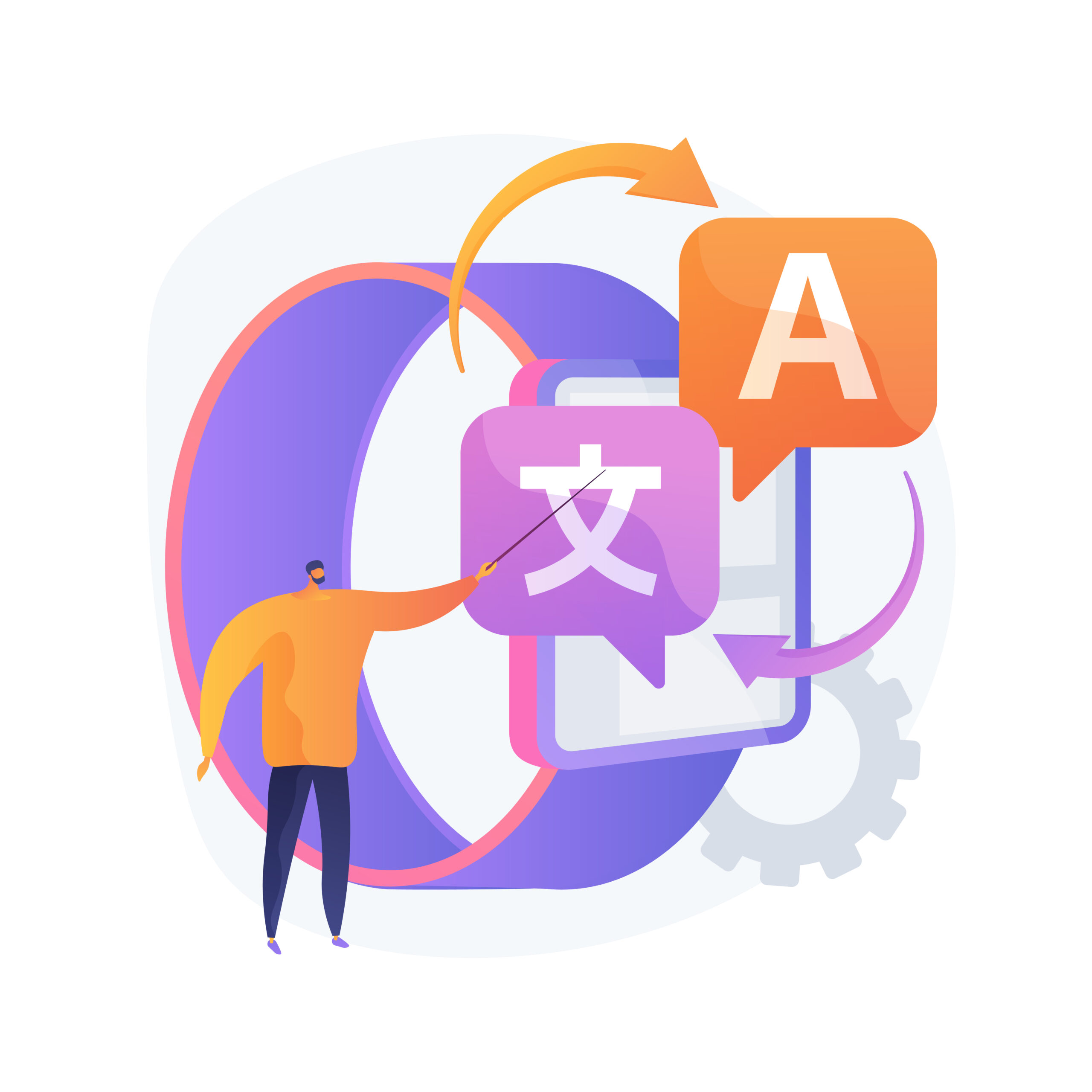
Not all translation is equal. The type of translation you need fundamentally shapes its cost.
Document Translation
This is the most commonly requested service — contracts, reports, certificates, marketing brochures. Document translation pricing scales with length, language pair, and subject matter. A simple personal document differs enormously in cost from a 200-page financial prospectus.
Website Localization
Website translation goes beyond converting words. It involves adapting cultural references, idioms, calls-to-action, SEO metadata, image alt text, and URL structures to resonate with a local audience. A well-localized website doesn’t just speak the language — it thinks in it.
This is why website localization typically costs more per word than document translation. The context-sensitivity required is significantly higher.
Software and App Localization
Software translation — often called L10n (localization) — includes UI strings, error messages, tooltips, onboarding flows, and help documentation. Beyond language, it requires understanding character limits (a button labeled “Submit” in English might become a very long phrase in German), right-to-left script handling for Arabic or Hebrew, and cultural UX norms.
Literary Translation
Translating literature is an art form. Poetry, fiction, and creative non-fiction carry rhythm, metaphor, and emotional texture that must survive the journey between languages. Literary translators are often celebrated authors in their own right, and their work commands fees that reflect that creative expertise.
Audiovisual Translation
Subtitles, dubbing, voice-over scripts — these services require translation plus an understanding of timing, lip-sync constraints, and viewing experience. Subtitle translation, for instance, must convey meaning within strict character limits and precise time codes. Dubbing requires translated dialogue to match the natural rhythm of the original speaker’s mouth movements. These constraints add time and creative effort to the process.
Interpretation
While not translation in the traditional sense, interpretation — simultaneous or consecutive — is often bundled into language service discussions. Simultaneous interpretation (the kind used at international conferences) requires extraordinary mental agility and is priced accordingly. Remote interpretation over video platforms has created new pricing structures, but the expertise requirement remains the same.
Industry-Specific Translation: Why Sector Matters Enormously
Every industry has its own language — not just technically, but culturally. Translation within specialized sectors requires translators who don’t just know the language but live in the professional world of that content.
Legal Translation
Legal documents are perhaps the most consequential content a translator can handle. A mistranslated clause in a contract can invalidate an agreement. An error or disguise prediction in deposition translation can affect a court’s ruling. Immigration documents with translation errors can cost someone their visa — or their freedom.
Legal translators must understand not just vocabulary but the legal systems in both source and target countries. A term in English common law may not map neatly onto civil law systems used across Europe, Latin America, or parts of Asia. The translator must navigate these systemic differences and flag ambiguities rather than guess.
For businesses engaged in international mergers, acquisitions, litigation, or regulatory compliance, legal translation is non-negotiable — and the stakes of cutting corners are severe.
Medical and Healthcare Translation
Medical translation errors are, quite literally, life-threatening. A patient who misunderstands their medication dosage, a surgeon who operates based on a mistranslated surgical history, a clinical trial that produces skewed results due to improperly translated consent forms — these are not hypothetical scenarios.
Medical translation covers pharmaceutical documentation, clinical trial data, patient records, medical device manuals, hospital consent forms, and public health materials. Translators in this space are often required to have formal medical backgrounds or certifications in addition to linguistic expertise.
Regulatory documentation for drug approvals — submitted to bodies like the FDA, EMA, or India’s CDSCO — must meet extremely precise standards. A single terminology inconsistency can delay an approval by months.
Technical Translation
Engineering manuals, product specifications, safety data sheets, and technical standards demand absolute precision. In these domains, language is not decorative; it is operational and critical to real-world outcomes. A single mistranslated unit, symbol, or tolerance value in an industrial manual can trigger equipment failure, costly downtime, or compliance issues.
Likewise, an inaccurate safety instruction can put workers at serious risk of injury or worse. Technical translators work at the intersection of language and engineering reality. Many come from backgrounds in mechanical, electrical, or chemical fields, while others are linguists who have spent years specializing in technical content.
Their expertise lies in understanding systems, interpreting context correctly, and conveying meaning with complete clarity across languages
Marketing and Creative Translation
Marketing doesn’t translate — it transforms. A tagline that’s clever in English might be offensive, confusing, or simply dull in another language. Color associations, humor, cultural references, consumer psychology — all of these must be reconsidered for a new market.
This is why the term “transcreation” exists: it’s the recreation of marketing content in a new language and cultural context, preserving the emotional intent and persuasive power of the original. Transcreation is typically priced differently from translation, often by the project or by creative hour, rather than by word count
IT and Software Translation
The technology sector has a unique translation challenge: high volume, rapid iteration, and extreme precision. Software companies often have millions of words across their products and documentation, updated with every release cycle.
IT translation often uses Translation Memory (TM) tools — databases of previously translated segments that can be reused when similar content appears. This can significantly reduce cost on repeated or updated content, but the initial build of that memory requires investment.
E-Commerce Translation
For e-commerce businesses, translation directly affects revenue. Product descriptions, customer reviews, checkout flows, return policies, size guides — each of these touchpoints influences whether a customer completes a purchase.
Studies consistently show that customers are significantly more likely to buy in their native language, even when they speak a second language fluently. For global e-commerce players, the ROI on translation is often directly measurable through conversion rate improvements in localized markets
Financial Translation
Annual reports, prospectuses, new shareholder communications reports, high, secure compliance documents, audit reports — financial translation requires fluency in the language of money across regulatory environments. A financial statement translated for a German investor must meet different standards than one prepared for a market in Singapore or Brazil.
Accuracy in financial translation isn’t just a professional standard — in many jurisdictions, it’s a legal requirement. Errors in publicly released financial documents can have regulatory and market consequences.
Public Sector Translation
Government agencies translate for a huge variety of needs: citizen communications, government or private or third party policy documents, legislative texts, diplomatic correspondence, law enforcement materials, and public safety messaging.
Translation for government often involves security clearances, strict confidentiality protocols, and heightened accuracy requirements. The diversity of languages needed — especially in multilingual nations — makes government or public sector translation a substantial and specialized market
Media Translation
The global appetite for content has made media translation one of the fastest-growing sectors. Subtitling, dubbing, localization of video games, translation of news content, and streaming platform localization all fall into this category.
The explosion of streaming platforms distributing content internationally has dramatically increased demand for subtitle and dubbing services across dozens of languages simultaneously, creating new workflow pressures and pricing dynamics.
E-Learning Translation
Educational content translation, including textbooks, eLearning modules, academic assessments, and university applications, demands careful attention to age-appropriate language, curriculum alignment, and pedagogical intent. It is not just about translating words but preserving how knowledge is delivered and understood. eLearning localization goes further, requiring accurate audio synchronization, culturally relevant examples, and compliance with accessibility standards to ensure inclusive, effective learning experiences across diverse audiences

Global Demand: Where Translation Is Growing and Why ?
Translation in North America
The United States is one of the largest consumers of language services in the world, driven by its extraordinary demographic diversity. Spanish-English translation is in consistently high demand — but the US market also has substantial need for Mandarin, Vietnamese, Tagalog, Korean, Arabic, Portuguese, and dozens of other languages across healthcare, legal, education, and government sectors.
Canada’s bilingual legal framework — with both English and French as official languages — creates structural demand for translation across virtually all public and corporate communication.
Translation in The United Kingdom and Europe
Post-Brexit Britain has seen interesting shifts in translation demand. Trade documentation that once moved freely across the EU now often requires formal translation or at least adaptation for compliance purposes.
The European Union itself is the world’s largest institutional translator, managing official documentation in 24 official languages. This creates enormous demand from businesses seeking to operate across EU markets, where regulatory documentation must often be available in the local language of each member state.
Translation in The Middle East
The Middle East is a high-value market for translation, driven by major economic development projects, international investment, legal and financial services, and media. Arabic is the primary target language, but the region’s role as a global business hub means English, French, Urdu, Hindi, and Mandarin are all actively needed alongside Arabic.
Translation for the Gulf market also requires cultural sensitivity that goes well beyond vocabulary — religious conventions, gender norms, and political contexts all shape how content must be adapted.
Translation in Asia-Pacific
Asia-Pacific represents the most dynamic growth area for translation services. China, Japan, South Korea, and the ASEAN nations are all active on the global stage in ways that demand language services at scale.
Japanese and Korean translation remain highly specialized markets — both languages are grammatically distant from European languages, and cultural nuance is deeply embedded in business communication. Chinese translation requires decisions about Simplified vs Traditional characters — Mainland China uses one standard; Taiwan, Hong Kong, and many overseas communities use another.
Southeast Asian languages — Bahasa Indonesia, Thai, Vietnamese, Tagalog — are increasingly in demand as these economies grow and digital markets expand.
Translation Pricing in India: A Nation of Languages
India deserves its own discussion — because it isn’t just a single translation market. It’s dozens of them. India has 22 officially recognized languages under its constitution, and linguists estimate hundreds more dialects spoken across the subcontinent. This linguistic diversity creates translation demand that is both massive in scale and deeply localized in nature.
1. Hindi is the most widely spoken language and a primary medium of government communication, but it is not universally understood — particularly in South India.
2. Tamil is one of the world’s oldest living languages, spoken by over 75 million people primarily in Tamil Nadu and Sri Lanka. Tamil translation is in high demand for government documents, legal materials, healthcare, education, and digital content targeting South Indian markets.
3. Telugu, spoken predominantly in Andhra Pradesh and Telangana, has one of the largest speaker populations of any language in India. As these states grow economically, the demand for Telugu translation — particularly in technology, agriculture, finance, and media — continues to rise.
4. Kannada is the official language of Karnataka, home to Bengaluru (Bangalore), India’s tech capital. Kannada translation is critical for software localization, government communications, and content targeting the state’s large and digitally active population.
5. Malayalam, spoken in Kerala, has a highly literate speaker base with strong demand for translation in healthcare, education, and Gulf-return diaspora documentation.
6. Bengali is the official language of West Bengal and the national language of Bangladesh, making Bengali translation important for both domestic and cross-border communication in the eastern subcontinent.
7. Marathi, spoken in Maharashtra — India’s financial center — is essential for translation serving Mumbai’s business ecosystem, Pune’s growing tech sector, and state government communications.
8. Gujarati is spoken widely in Gujarat and has a large diaspora presence in the UK, USA, East Africa, and beyond, creating translation demand that spans continents.
9. Punjabi serves communications in Punjab, Haryana, and a significant diaspora in the UK and Canada — with translation needs across legal, financial, and community services.
10. Odia, Assamese, Urdu, Sindhi, Konkani, Maithili — each of these serves specific regional populations with distinct translation requirements, particularly in government, education, and healthcare.
India’s translation market is also shaped by constitutional requirements: many central and state government communications must be available in regional languages. Digital India initiatives have further amplified demand as services move online and must be accessible to citizens who may only be comfortable in their native language.
For companies targeting Indian consumers, a pan-India translation strategy isn’t a luxury — it’s a market access requirement.

Real-Life Scenarios:
What Translation Challenges Actually Look Like
Scenario 1: The Pharmaceutical Company
A mid-size pharmaceutical company in Hyderabad was preparing to launch a new product across five South Asian markets. They needed patient information leaflets, prescriber guidelines, and regulatory submission documents translated into Bengali, Sinhala, Nepali, Urdu, and Burmese.
The challenge wasn’t just volume — it was the simultaneous need for regulatory accuracy, appropriate medical literacy levels for patient-facing materials, and compliance with each country’s specific drug approval language requirements. General translation agencies couldn’t handle it. They needed medical translation specialists with regulatory experience in each target market.
The company that did it right built a small approved vendor list, invested in terminology management, and used Translation Memory to create consistency across all their markets. The company that cut corners — using freelancers found through a generic platform — faced a six-month regulatory delay that cost far more than the translation savings.
Scenario 2: The E-Commerce Startup
A Chennai-based e-commerce platform was expanding from Tamil Nadu into Karnataka and Kerala. Their product listings, seller agreements, customer support scripts, and app interface were all in English and Tamil.
Translating into Kannada and Malayalam wasn’t just a linguistic exercise — it required adapting product descriptions to local shopping preferences, updating customer service protocols, and ensuring the app’s UI accommodated the longer word lengths typical in Malayalam text.
The platform’s decision to invest in proper localization — rather than machine translation alone — resulted in measurably higher conversion rates in the new markets within the first quarter of launch.
Scenario 3: The Immigration Case
An individual applying for a spouse visa from India to the UK needed several documents translated: a marriage certificate, birth certificates, bank statements, and sworn affidavits. Each required certified translation accepted by the UK Home Office.
Using an uncertified translator to save money resulted in the application being returned — adding three months to the process and significant stress to the family. The cost of the certified translation they eventually needed was a fraction of the cost of the delay
Pricing Models in Professional Translation
Understanding how translation is priced helps you ask the right questions and budget more accurately.
Per-Word Translation Pricing
The most common model. You pay based on the number of words in the source (or sometimes target) document. This creates predictable budgeting for most document types. Volume discounts often apply at scale.
Per-Page Translation Pricing
Common for certified document translation, particularly for legal and immigration documents where pages have standard formatting. Easier to quote quickly without detailed analysis of word count.
Hourly Translation Pricing
Used for services that don’t lend themselves to word-count measurement — interpretation, consultation, terminology development, or DTP work. The hourly rate reflects expertise level and market.
Project-Based Translation Pricing
For complex, multi-component projects — a full website localization, a multilingual marketing campaign, a software release — project-based pricing bundles translation, review, DTP, and project management into a single fee. This can simplify budgeting significantly.
Retainer or Subscription Models
Organizations with ongoing, predictable translation needs can often negotiate retainer arrangements — a committed spend that ensures priority access, consistent quality, and often better per-unit pricing. This model works well for companies with regular content output.

Hidden Costs and Mistakes Buyers Commonly Make
- Underestimating the Review Process
Professional translation typically involves three stages: translation, editing by a second linguist, and proofreading. Skipping any of these steps increases the risk of errors reaching your audience. When buyers push for translation-only to cut costs, they’re often creating a false economy.
- Ignoring File Preparation
Source files that are disorganized, poorly formatted, or contain embedded text in images can dramatically increase preparation time — and therefore cost. Investing in clean, editable source files before sending a project saves money.
- Treating All Languages as Equally Priced
Buyers sometimes assume a project in French, Swahili, and Vietnamese will cost the same per word across all three languages. In reality, less commonly requested languages have fewer qualified translators and command higher rates. Budgeting as if all languages cost the same leads to surprises.
- Neglecting Glossary and Style Guide Development
Organizations that commission translation without providing a glossary or style guide get inconsistent output — especially if multiple translators work on the same project or across multiple projects over time. Developing terminology standards has an upfront cost but generates long-term savings through consistency and reduced revision cycles.
- Choosing Solely on Price
This is the most costly mistake of all. A translation that has to be redone costs more than a good translation done right the first time. When a supplier is significantly cheaper than market rate, there is always a reason — and it usually involves quality compromise.
Professional Translation vs. Low-Cost Alternatives
An Honest Comparison
Professional Translation
Strengths: Accuracy, cultural and native fluency, consistency, accountability, suitability for high-stakes content, legal defensibility where required.
Considerations: Higher upfront cost, requires lead time, more communication needed for complex projects.
Machine Translation (MT) Only
Strengths: Near-zero cost for raw output, immediate turnaround, scalable for high volume.
Considerations: Lacks cultural nuance, unreliable for specialized content, errors can be subtle but significant, not suitable for client-facing, legal, or medical content without post-editing.
Machine Translation + Post-Editing (MTPE)
This hybrid model has gained significant traction. Machine translation generates a first draft; a professional linguist reviews, corrects, and refines it. The result is faster and more cost-effective than pure human translation, while being far more reliable than raw MT.
MTPE works best when the source content is clean and straightforward, the language pair is well-supported by the MT engine, and the content is not in a high-risk category (legal, medical).
Crowdsourced or Community Translation
Some platforms and organizations use community members to translate content — particularly for software or non-profit work. The quality is highly variable and depends entirely on the skill and consistency of the community contributors.
Bilingual Employee Translation
Asking a bilingual staff member to handle translation might seem like the free option. But consider the opportunity cost of their time, the risk of domain-specific errors (your marketing manager who speaks French is not a medical translator), and the lack of professional accountability. For anything more than casual internal communication, this approach carries real risk.


AI vs. Human Translation: A Balanced View
The conversation around AI and translation has moved far beyond hype — but also beyond fear. The reality is nuanced, and professionals who understand both capabilities and limitations make the best decisions.
What AI Does Well in Translation ?
Modern neural machine translation engines — particularly the leading commercial systems — have become remarkably good at translating general content between widely supported language pairs. They’re fast, scalable, and improving constantly. For internal communications, high-volume content with standardized language, or first-draft generation in post-editing workflows, AI is genuinely useful.
AI also excels at consistency across large volumes of repetitive content — product listings, template-based legal clauses, structured technical documentation.
Where Human Expertise Remains Irreplaceable
Cultural judgment is something AI cannot reliably produce. A human translator recognizes when a phrase that translates literally will be read as offensive in the target culture. A human translator understands the legal implications of a specific word choice in a contract. A human translator can adapt a joke so it lands in a new language without explaining why it’s funny.
For creative content, legal documents, medical materials, and anything where consequences matter, human expertise is not optional — it’s the minimum standard.
The Emerging Reality: Collaboration
The most sophisticated translation workflows today use AI and humans in collaboration. AI handles volume and speed; humans handle judgment and quality. Translation Memory tools preserve consistency across projects; AI flags anomalies; humans make the final call.
Translation providers who understand this collaboration — who use technology to enhance human capability rather than replace it — are the ones delivering the best outcomes for clients.
Quadrate Multilingual Consultant
Precision Language Services Across Industries and Borders
Quadrate has been built on a simple but demanding belief: that language services must meet the standards of the industries they serve.
This means that when Quadrate works on a pharmaceutical regulatory submission, the translators assigned to that project understand drug approval terminology, regulatory frameworks, and the specific language standards of the target market — not just the grammar.
When Quadrate localizes a software platform for Indian regional markets, the team understands UI constraints, cultural UX expectations, and the specific character rendering requirements of Indic scripts.
When Quadrate translates legal documents for immigration, corporate transactions, or litigation support, every output is reviewed by a second expert and delivered with the formal accountability that legal contexts demand.
Quadrate’s coverage spans the languages of global business — English, Arabic, French, German, Spanish, Chinese, Japanese — and the regional languages that too many agencies neglect: Tamil, Telugu, Kannada, Malayalam, Marathi, Bengali, Gujarati, Punjabi, Odia, and beyond.
The team includes domain specialists across legal, medical, technical, financial, and creative sectors — professionals who bring industry knowledge to every project, not just linguistic fluency.
For businesses navigating expansion into India’s regional markets, Quadrate offers something particularly rare: genuine fluency in the on-the-ground reality of each state’s language environment, communication norms, and regulatory expectations.
Every project at Quadrate begins not with a word count, but with a conversation — about what the content needs to achieve, who it’s speaking to, and what success looks like in the target market. That conversation is the foundation of translation that actually works

Future Trends Shaping
Translation Pricing and Practice
Neural Machine Translation Continues to Improve
The gap between machine and human translation continues to narrow for general content. But the gap in judgment, cultural intelligence, and accountability remains — and in high-stakes contexts, that gap is everything.
AI-Assisted Translation Management
Beyond the translation itself, AI is transforming how translation projects are managed — automated routing, quality scoring, consistency checking, and turnaround prediction. These efficiencies are gradually reducing administrative overhead for buyers and suppliers alike.
The Rise of Low-Resource Language Support
Historically, languages with smaller digital footprints — less online text to train AI models — have been poorly served by machine translation. Advances in low-resource NLP are slowly improving this, but human expertise remains the standard for languages like Odia, Konkani, or Maithili for some time to come.
Increased Demand from India’s Digital Economy
As India’s Digital Public Infrastructure grows, as government services digitize, as India’s consumer internet expands into Tier 2 and Tier 3 cities, demand for high-quality regional language content is going to accelerate dramatically. Companies that invest in Indian language translation capability now are positioning themselves ahead of a significant market shift.
Privacy and Data Security in Translation
As organizations become more aware of data privacy requirements — GDPR, India’s DPDP Act, and sector-specific regulations — the security practices of translation providers are under increasing scrutiny. Providers who offer secure workflows, data handling agreements, and on-premise or private cloud options will be increasingly preferred by enterprise buyers.
Terminology Standardization in Emerging Sectors
In technology, fintech, health-tech, and other rapidly evolving sectors, the translation challenge isn’t just linguistic — it’s terminological. Industry associations and language bodies are increasingly working to standardize technical vocabulary in regional languages, which will improve translation quality and consistency over time.
Translation Cost Is a Business Decision, Not Just a Budget Line
Precision Language Services Across Industries and Borders
If you’ve read this far, you understand something that most buyers don’t: translation cost isn’t just a number. It’s the intersection of expertise, risk, language complexity, strategic intent, and market ambition.
The question “How much does translation cost?” has an honest answer: it depends on what you need, what it’s for, and what you can afford to get wrong.
What we can say with certainty is this — the cost of poor translation almost always exceeds the savings made in getting it. A mistranslated contract clause. A medical error traced back to a language failure. A marketing campaign that offends instead of persuades. A product launch that fails to connect with a regional audience. These are expensive lessons.
Translation done right is an investment in communication — and communication is the foundation of every relationship, every sale, every partnership, and every expansion into new territory.
If you’re ready to think about translation as a strategic asset rather than a commodity purchase, Quadrate is ready to talk. Our team works across industries, languages, and markets — bringing not just fluency, but genuine expertise to every project.
Get Your Urgent Translation Now → [Upload Your File / Get a Quote]
Request a Free Quote Today | 24/7 Availability | Serving Worldwide Clients | Certified Translators & Localization Experts