Translating for Gen Z: What Brands Get Wrong
Unlock Multilingual Communication with Accurate Translation Services
Who is Gen Z, Really?
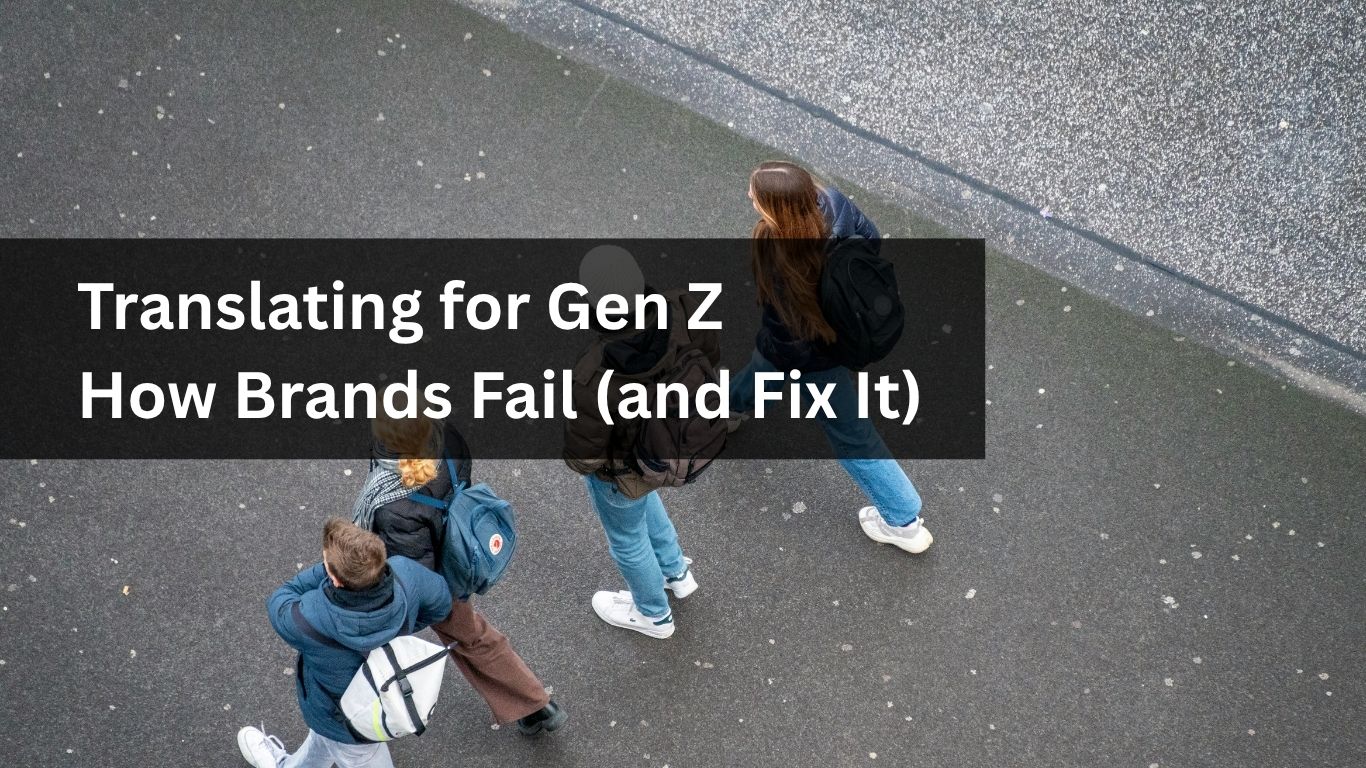
Born between 1997 and 2012, Gen Z is the world’s most connected, multilingual, and culturally fluid generation. From Instagram Reels to Twitch streams, they speak in emojis, abbreviations, memes, and references only they understand.
And they don’t just want to be heard—they want to be understood.
So when a brand translates their campaign without adapting to the youth culture, social lingo, or internet-native tone, it risks sounding outdated, cringe, or even offensive.

Where Most Brands Go Wrong?
1. Literal Translation of Slang and Memes
A U.S. brand once translated “That’s fire” to “That is on fire” in Spanish ads. The result? Confusion and laughs—but not conversions.
Gen Z uses coded language. If you translate slang directly, you lose meaning—and coolness.
2. Ignoring Platform Context
A joke that works on TikTok may flop on LinkedIn. Yet many brands push the same tone and translation across platforms.
Localization must be platform-specific, especially when Gen Z expects informal, quick content tailored to each space.

3. Not Testing Cultural Relevance
Using an emoji that’s innocent in one country might be rude in another. Or a trending phrase might be outdated in a different region.
Language evolves weekly for Gen Z. What’s cool today might be cringe tomorrow.
4. Using Older Generations to Translate Youth Content
If your translators aren’t Gen Z-savvy, they’ll miss the mark. Many agencies assign seasoned translators who may not relate to digital trends.
Hire digital-native linguists, or at least involve Gen Z reviewers in the process.

The Right Way to Translate for Gen Z
1. Localize, Don’t Translate
Instead of word-for-word translations, adapt the message. Swap references, humor, or metaphors to align with local youth culture.
Example: Instead of “Netflix and chill,” localize the phrase to something culturally equivalent—like “watch a movie at my place” if needed.
2. Tap into Trend-Watchers & Social Linguists
Keep up with what’s viral—use social media monitoring tools and local Gen Z creators to guide voice, tone, and references.
3. Include Regional Youth Dialects
From Hinglish in India to Denglisch in Germany, Gen Z blends languages. Your content should too—intentionally.
Think “bro, kya scene hai” instead of “what’s going on, friend?” for Indian youth.


Use Case: Gen Z Localization Done Right
A popular gaming brand launched in Brazil using Gen Z creators for both linguistic adaptation and promotion. They localized slang, used relevant memes, and partnered with youth YouTubers.
The result?
4x higher engagement
2x user-generated content
Massive TikTok trend featuring their game name as a verb
How Quadrate Helps You Speak Gen Z’s Language
At Quadrate, we go beyond traditional translation. We blend linguistic expertise, trend analysis, and youth-driven insights to ensure your content
- Culturally relevant
- Platform-aware
- Emotionally resonant with Gen Z
From gaming apps to Gen Z-targeted ad campaigns, our global network includes native translators, meme fluents, youth culture analysts, and digital linguists.

Don’t Translate Gen Z—Connect With Them
Gen Z doesn’t just read—they react, remix, and respond. Translating for them requires cultural immersion, creative flair, and constant listening. So if your brand wants to win hearts across borders, speak their language like one of them—not like a marketer.
Need Localized translation for your brands? Contact Quadrate today.
Ready to translate the right way? Let’s talk.
Explore Translation Services at Quadrate | Get a Free Translation Quote | Linked In