How to Translate Scanned Copies or Handwritten Files Professionally ?
Unlock Multilingual Communication with Accurate Translation Services
The Hidden Challenge Behind Scanned Document Translation
If you’ve ever tried to translate a scanned document or handwritten file, you already know the struggle — blurred text, faded ink, random smudges, and half-recognizable handwriting that even a doctor would envy.
Unlike digital files, scanned or handwritten materials don’t contain editable text, which makes direct translation impossible without the right tools and expertise.
Professional scanned document translation services solve exactly that — converting images into editable text through OCR (Optical Character Recognition), followed by human translation and quality validation.
Whether it’s a passport, medical record, birth certificate, legal contract, or handwritten manuscript, accuracy and format retention matter. Let’s walk through how experts handle this process the right way.

1. Converting the Image into Editable Text
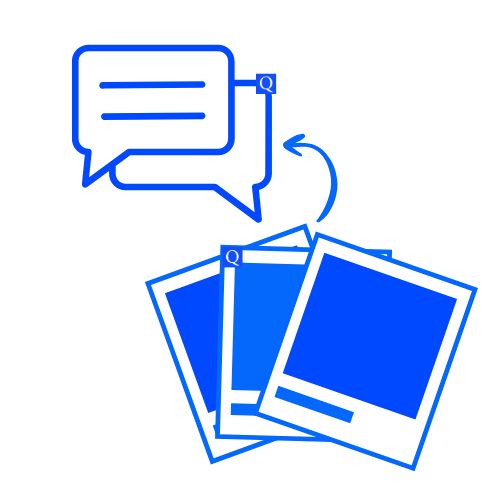
The first step in translating a scanned or handwritten document is to extract the text.
This is done through OCR (Optical Character Recognition), a technology that reads characters from images and converts them into editable digital text.
Modern OCR tools like ABBYY FineReader, Adobe Acrobat Pro, or Google Cloud Vision API can detect multiple languages, fonts, and layouts — but they still need human correction, especially when dealing with older documents or cursive handwriting.
2. Human Review and Error Correction
OCR tools aren’t perfect. They often misread letters, symbols, or spacing — especially in handwritten or low-resolution scans. That’s why human linguists step in next.
Professional translators manually verify the extracted text, correcting typos, unclear phrases, or inconsistent line breaks. This ensures that what gets translated actually represents the original document’s content.
For legal, academic, or government documents, this stage is non-negotiable — even a single misplaced word can alter meaning.


3. Translation by Domain-Specific Experts
Once the text is clean, it’s ready for translation.
Here’s where subject-matter expertise matters. A medical prescription and a property agreement use totally different terminology, and only trained translators can handle both accurately.
Certified agencies usually assign translators based on the document type — legal translators, medical linguists, technical experts, or certified language specialists.
This process ensures contextual accuracy and compliance with regional and international standards.
Common Domains for Scanned File Translation
Legal and Immigration Documents
Academic Certificates and Transcripts
Technical Manuals and Drawings
Financial Statements and Tax Reports
Medical and Clinical Records
Personal Letters or Historical Documents
4. Formatting and Multilingual DTP
Once translation is complete, formatting becomes critical.
Scanned documents often contain stamps, tables, seals, logos, or official layouts that need to look identical in the translated version.
Professional translation agencies use multilingual desktop publishing (DTP) software like Adobe InDesign, Illustrator, or FrameMaker to rebuild the document layout with precision.
This ensures that the translated file mirrors the original, both visually and structurally — which is essential when submitting to government bodies, embassies, or corporate entities.


5. Proofreading, Certification & Quality Check
Before delivery, the document passes through a three-tier quality control:
- Native proofreading to ensure linguistic accuracy.
- Format validation to match the original structure.
- Certification if required — with agency seals or notary verification for legal use.
Certified translations are recognized by embassies, universities, and government departments, making them ideal for visa, immigration, or compliance purposes.
6. Why Handwritten Document Translation
Requires Extra Care ?
Handwritten content adds another layer of complexity.
No OCR system can fully decode cursive or stylized handwriting with 100% accuracy — especially when written in multiple languages or mixed scripts.
That’s why human intervention is vital.
Professional translators manually transcribe the handwritten text first, verifying unclear words with context. For historical letters, old manuscripts, or medical notes, this step often takes more time but ensures authenticity and meaning are preserved.

File Formats You Can Translate Professionally
Translation agencies in India handle multiple file types, including:
PDFs (scanned or editable)
JPG, PNG, or TIFF image files
Handwritten letters (digital photos or scanned)
Word, Excel, PowerPoint documents
Books, manuals, and reports
Audio or video files with transcription
Each file undergoes tailored processing to maintain clarity and accuracy during translation.
8. Data Security and Confidentiality
When translating scanned or official documents, data privacy isn’t optional — it’s mandatory.
Top translation companies in India follow ISO 17100 and ISO 9001 quality standards, use encrypted file transfer systems, and sign Non-Disclosure Agreements (NDAs) with clients.
That means your passport scan, contract, or medical record stays protected throughout the process.
9. Translation for Every Need: Local to Global
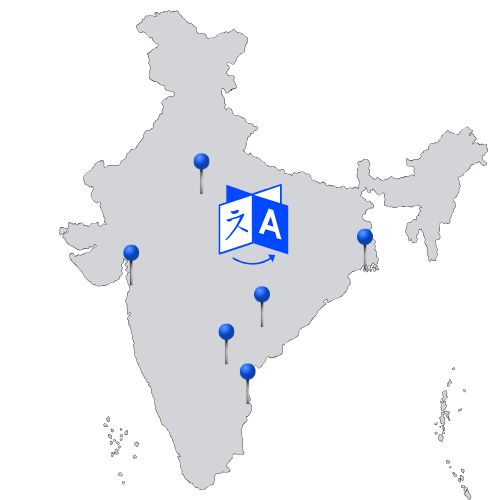
Whether you’re in Chennai, Mumbai, Delhi, or Bangalore, most leading agencies offer online document translation services that cater to both regional Indian languages (like Tamil, Hindi, Telugu, Bengali) and global languages (like French, German, Arabic, Chinese, and Spanish).
This makes it easier for businesses, students, and professionals to translate their scanned documents without visiting any office physically — everything is handled digitally.
Why Choose Professional Translation
Over Free Tools ?
Free OCR or translation apps might seem tempting, but they can’t guarantee accuracy, cultural relevance, or legal validity.
Machine-based translations often distort meaning, especially for handwritten or image-based content.
A professional translation agency combines human expertise + technology, offering verified results that meet compliance and readability standards — something no automated system can promise.

Conclusion:
Accuracy Starts with the Right Translation Partner – Quadrate
Translating scanned copies or handwritten documents isn’t just about language — it’s about legibility, accuracy, and integrity.
From OCR extraction to final certification, every step requires expertise, quality control, and secure handling.
Whether it’s for visa submission, academic recognition, or corporate documentation, partnering with a certified translation company in India ensures your words are translated with clarity, confidentiality, and cultural precision.