

AI vs. Human Subtitling: What Brands Are Getting Wrong About Localization ?
Unlock Multilingual Communication with Accurate Translation Services
Subtitle Translation Services
Subtitling and localization have become mission-critical for brands reaching global audiences through multilingual video content. Whether it’s a marketing video, streaming show, or e-learning module, subtitles decide if viewers understand and connect.
In this world of content overload, AI subtitling vs human subtitling has become the latest battleground. Many organizations see AI-driven subtitling as a fast, cheap, and scalable fix. That’s understandable — automation looks efficient on paper.
But here’s the problem: AI subtitling lacks true localization. It might translate words, but it often fails at adapting emotion, humor, or cultural nuance. In other words, automation gets you subtitles, not connection.
The truth? Brands need the precision of professional subtitling services — powered by humans who understand context, tone, and culture.


The Rise of AI Subtitling
AI subtitling, also called automated subtitling, uses speech recognition (ASR), machine translation (MT), and automation to generate subtitles in multiple languages within minutes.
Here’s how it works:
Speech Recognition: The audio track is converted into text using ASR engines.
Machine Translation: The text is translated into target languages using neural MT.
Automation & Timing: Algorithms segment subtitles and sync them with video timing.
It sounds magical — and in some ways, it is.
The Appeal for Brands
Speed: AI can churn out subtitles for a 30-minute video in minutes. Great for bulk content.
Cost-efficiency: Automated subtitling tools are cheaper than human translators — perfect for large-scale production.
Scalability: One upload, dozens of languages — a dream for streaming or e-learning platforms.
Accessibility: Even imperfect subtitles are better than none for viewers needing captions.
Yet, speed doesn’t equal quality. Automation can process sound waves, not cultural intent. And that’s where the cracks begin to show.
The Human Advantage in Subtitling
Human subtitlers don’t just translate — they interpret. They hear tone, sense rhythm, and grasp cultural references that AI misses entirely.
1. Nuance and Emotion
Humans detect how something is said — the sarcasm, affection, or tension behind the words. Machines only hear sound patterns.
An AI might translate “break a leg” literally, while a human subtitler knows it means “good luck.”
2. Timing and Readability
Humans can balance reading speed with video pacing. They know when to split lines, pause dialogue, or shorten phrases without losing meaning. AI often rushes or mismatches on-screen timing, causing awkward reading flow.
3. Humor, Idioms, and Context
A study comparing AI vs. human subtitling found that AI completely missed humor in Chinese film subtitles. Literal translations preserved words but erased irony and wordplay.
Humans adapt idioms and jokes so that they land in another language — not crash.
4. Brand Voice Consistency
Humans align subtitles with brand personality. Whether your tone is playful, authoritative, or compassionate, a skilled subtitler mirrors it naturally.
AI doesn’t understand brand guidelines — it just follows data patterns.
5. Real-World Failures
In Arabic subtitle studies, AI systems mistranslated key allusions and religious references — scoring poorly on cultural accuracy.
One 2019 analysis called automated subtitle output “chaotic and unusable” for professional content.
Even top AI systems still stumble on accents, background noise, and emotional delivery. That’s why human subtitling accuracy remains the gold standard in localization.


What Brands Are Getting Wrong About Localization
So, what exactly are brands misunderstanding about subtitling and localization? Quite a bit.
Myth #1: Translation = Localization
Localization isn’t just translating words — it’s adapting meaning.
AI can translate “Thanksgiving Sale” into 20 languages, but only a human understands that some markets don’t celebrate it at all. A human will localize it as “Holiday Offer” or “Festive Discount” instead.
AI subtitling misses cultural context, which damages authenticity and engagement.
Myth #2: Automation Guarantees Consistency
Brands assume AI ensures consistency and speed. Wrong.
Each AI model performs differently across languages — French might come out polished, while Japanese subtitles look robotic.
Without human review, small phrasing issues or brand tone mismatches multiply across markets. Automation makes errors faster, not fewer.
Myth #3: One Tool Covers All Markets
Every market reads and perceives subtitles differently.
Japanese audiences prefer short, clean text; German viewers tolerate longer lines; Arabic subtitling needs cultural adaptation for humor and idioms.
AI tools don’t account for these reading patterns. Localization managers who treat AI subtitles as “one-size-fits-all” risk alienating audiences instead of connecting with them.
The Real Impact of Overreliance
Brand voice dilution: Subtitles lose emotional tone and personality.
Viewer disengagement: Viewers notice robotic or literal subtitles and disconnect.
Inclusivity risk: AI captions often fail accessibility standards for hearing-impaired viewers.
Hidden costs: “Quick AI fixes” lead to human rework, local complaints, and reputation damage.
In short — brands chasing automation often pay twice: once for speed, and again for correction.
Case in Point: Streaming and E-Learning
Streaming platforms and e-learning companies push huge volumes of multilingual content.
AI subtitling seems perfect — fast, low cost, multilingual. But real data says otherwise.
A 2024 PLOS One study comparing human and AI Arabic subtitles found that AI made severe semantic errors in five out of eight key examples. These included mistranslations of idioms and culturally sensitive terms.
Imagine a corporate training video about “leadership courage” turning into “battle bravery” in translation. It’s not just inaccurate — it’s embarrassing.
When audiences sense that a brand doesn’t “get” their language or culture, trust drops instantly.

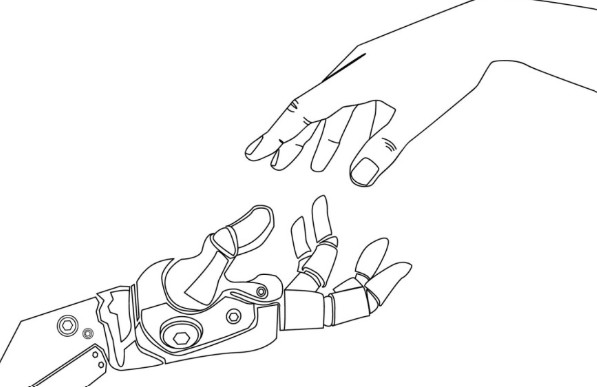
The Future: AI + Human Collaboration
Here’s the smart move — stop seeing this as AI vs human subtitling and start thinking AI + human subtitling.
AI brings speed, scale, and baseline coverage. Humans bring quality, emotion, and context.
Modern professional subtitling services blend both:
AI handles transcription and first-pass translation.
Human linguists refine tone, adapt culture, and ensure timing accuracy.
Quality-assurance teams maintain consistency across languages.
The best localization companies don’t resist AI — they train it. They combine machine efficiency with human creativity, ensuring every subtitle feels authentic.
That’s not automation — that’s evolution.
Conclusion:
AI Can Translate, But Humans Connect
AI subtitling has changed the game, but it hasn’t replaced it.
When brands rely solely on automated subtitling tools, they sacrifice nuance, inclusivity, and emotional engagement. Subtitles may be fast, but if they’re wrong, they damage trust. True subtitling and localization demand human touch — the awareness of culture, humor, empathy, and rhythm that no algorithm fully grasps.
If you want your message to travel the world and still sound like you, invest in expert subtitling and localization services that merge technology with human intelligence. Because words don’t just translate — they resonate.
Get Your Urgent Translation Now → [Upload Your File / Get a Quote]
Request a Free Quote Today | 24/7 Availability | Serving Pan-India | Certified Translators & Localization Experts