
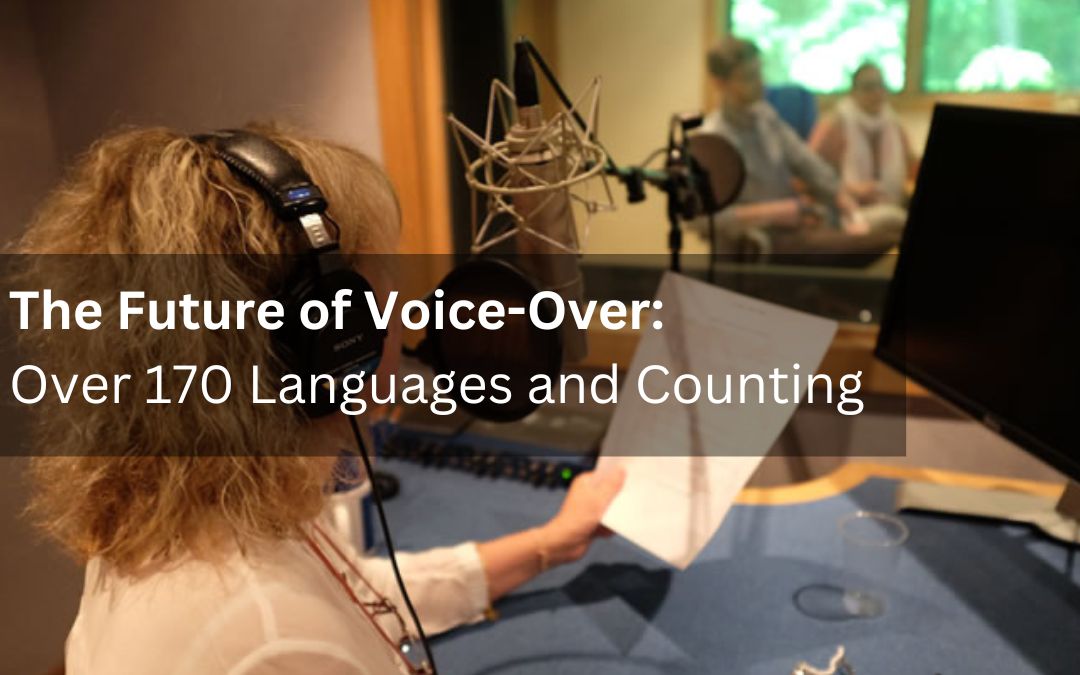
The Future of Voice-Over: Over 170 Languages and Counting
Unlock Multilingual Communication with Accurate Translation Services
Why Voice-Over Is the Next Big Thing ?
The way people consume content is changing faster than ever. From Netflix series in multiple languages to global YouTube channels, from e-learning platforms to corporate training videos, voice-over has become the secret weapon for breaking language barriers.
But here’s the twist: the future of voice-over is not just about dubbing movies anymore. It’s about enabling businesses, creators, and educators to speak to audiences in their own language — across more than 170 languages and dialects worldwide.
In this blog, we’ll explore:
The rise of multilingual voice-over.
Why 170+ languages is a game changer.
The role of AI-powered voice-over technology.
Industries embracing voice-over for growth.
Challenges, opportunities, and what the future holds.
By the end, you’ll know why investing in voice-over services today can give you a global competitive edge tomorrow.

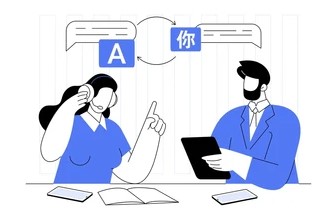
What Is Voice-Over and Why Does It Matter?
Voice-over is the technique of recording a narrated voice and layering it over video, animation, or presentation content. Unlike subtitles, voice-over ensures the viewer hears content in their own language, making it more engaging and emotionally impactful.
Why It Matters:
Boosts comprehension: Especially for audiences with low literacy levels.
Improves accessibility: For e-learning, healthcare, and training modules.
Builds brand trust: Localized voices connect better with regional audiences.
Drives global growth: Expands reach beyond English-speaking markets.
With more than 5 billion internet users and rising global video consumption, voice-over is not just an option — it’s a necessity for global communication.
Voice-Over in 170+ Languages:
The Game Changer
Here’s the magic: traditional voice-over services were limited to popular languages like English, Spanish, French, or Mandarin. But today, professional providers offer over 170 languages, covering regional dialects and accents.
Why this matters for businesses and creators:
Hyper-localization: Reach not just “India,” but Tamil Nadu, West Bengal, or Telangana with Tamil, Bengali, or Telugu voice-overs.
Global adoption: Target Spanish in Spain vs. Latin America, Arabic in Egypt vs. UAE.
Inclusivity: Provide content for smaller language groups often overlooked.
Imagine: A single e-learning course can now be made accessible to learners in 170+ languages, multiplying its reach and revenue potential.


Industries Driving the Future of Voice-Over
1. Entertainment & Media
Netflix, Amazon Prime, and YouTube rely heavily on multilingual voice-overs.
Viewers want authentic experiences in their native language.
2. E-Learning & EdTech
Online education is exploding globally.
Voice-over ensures students in Bangladesh, Brazil, or rural India understand content in their native tongue.
3. Corporate Training
Multinational companies train employees across continents.
Voice-over in 170+ languages ensures policies and training modules are understood globally.
4. Healthcare & Life Sciences
Patient instructions, awareness videos, and training for doctors.
Voice-over ensures clarity and avoids life-threatening miscommunication.
5. Marketing & Advertising
Brands want their ads, social media campaigns, and product videos localized.
Voice-over adds emotional appeal that subtitles simply cannot.
The Rise of AI-Powered Voice-Over
One of the most exciting trends is AI-powered voice-over (also known as text-to-speech (TTS) with localization).
Benefits of AI Voice-Over:
Speed: Thousands of words voiced over in minutes.
Cost-Effective: Lower than traditional studio-based recording.
Scalability: Easily scale across 170+ languages.
Consistency: Perfect tone and pronunciation across projects.
But here’s the caution: while AI is advancing fast, human voice-over artists are still essential for:
Emotion-driven storytelling.
Authentic accents.
Context-specific intonation.
The future is likely a hybrid approach: AI for scale + humans for nuance.


Challenges in Multilingual Voice-Over
While the future looks bright, challenges remain:
Cultural Nuance: A literal translation may not carry the right tone.
Dialect Differences: Hindi in India differs from Hindi in Mauritius.
Voice Selection: Male vs. female voices, age, accent — all affect impact.
Legal Compliance: Especially in pharma, legal, and financial industries.
Quality vs. Speed: Balancing AI speed with human-level quality.
Professional voice-over providers like Quadrate solve this with native experts, AI-assisted tools, and multi-step quality checks.
The Future Trends:
What to Expect in Voice-Over
- AI-Generated Voices with Emotions – future AI voices will sound more human, capable of laughter, pauses, and emphasis.
- Interactive Voice-Over – in AR/VR, where voices respond in real-time.
- Voice Personalization – brands using the same “voice” across languages for recognition.
- Voice-Over for Podcasts & Audiobooks – enabling global reach in every language.
- Immersive Localization – not just translating words but recreating the entire user experience with culturally adapted voices.
Why Choose Quadrate
for Voice-Over in 170+ Languages
At Quadrate, we combine cutting-edge AI technology with certified human voice-over artists to deliver content that truly resonates.
170+ Languages & Dialects Covered
Native Voice Talents for authenticity
AI + Human Hybrid Approach for quality and scalability
ISO-Certified Processes ensuring consistency and reliability
Affordable, Transparent Pricing with fast delivery
Whether you need corporate training videos, e-learning content, marketing campaigns, or entertainment dubbing, Quadrate ensures your voice is heard globally, understood locally.

Frequently Asked Questions (FAQs)
Q1. How many languages can you provide voice-over in?
We cover over 170 languages, including regional dialects.
Q2. Do you use AI or human voice-over artists?
Both. We use AI for speed and scalability, and human talents for emotional and cultural depth.
Q3. What industries benefit the most from voice-over?
Entertainment, e-learning, healthcare, marketing, and corporate training are the biggest users.
Q4. How much does voice-over cost?
Pricing depends on language, length, complexity, and turnaround time. We provide transparent quotes before starting.
Q5. Can you provide voice-over for small projects like ads or YouTube videos?
Absolutely! We cater to both individual creators and large enterprises.
Conclusion: The Voice-Over Revolution Is Here
The future of communication is voice-driven. With 170+ languages and counting, businesses, educators, and creators can now break barriers, connect emotionally, and grow globally.
Whether through AI-powered voices, human artists, or a hybrid model, the potential is limitless.
Don’t wait for the future — start localizing your content today.
Ready to translate the right way? Let’s talk.
Explore Translation Services at Quadrate | Get a Free Translation Quote | Linked In